Water Mitigation in Meridian, ID
Water mitigation is the emergency stage of water damage work: removing standing water, protecting what can be saved, and drying the structure so the damage stops growing. It happens in the first hours and days, before any rebuilding.
If water is still spreading through your home, call the dedicated 24/7 line at (833) 521-1033 as soon as the source is shut off.
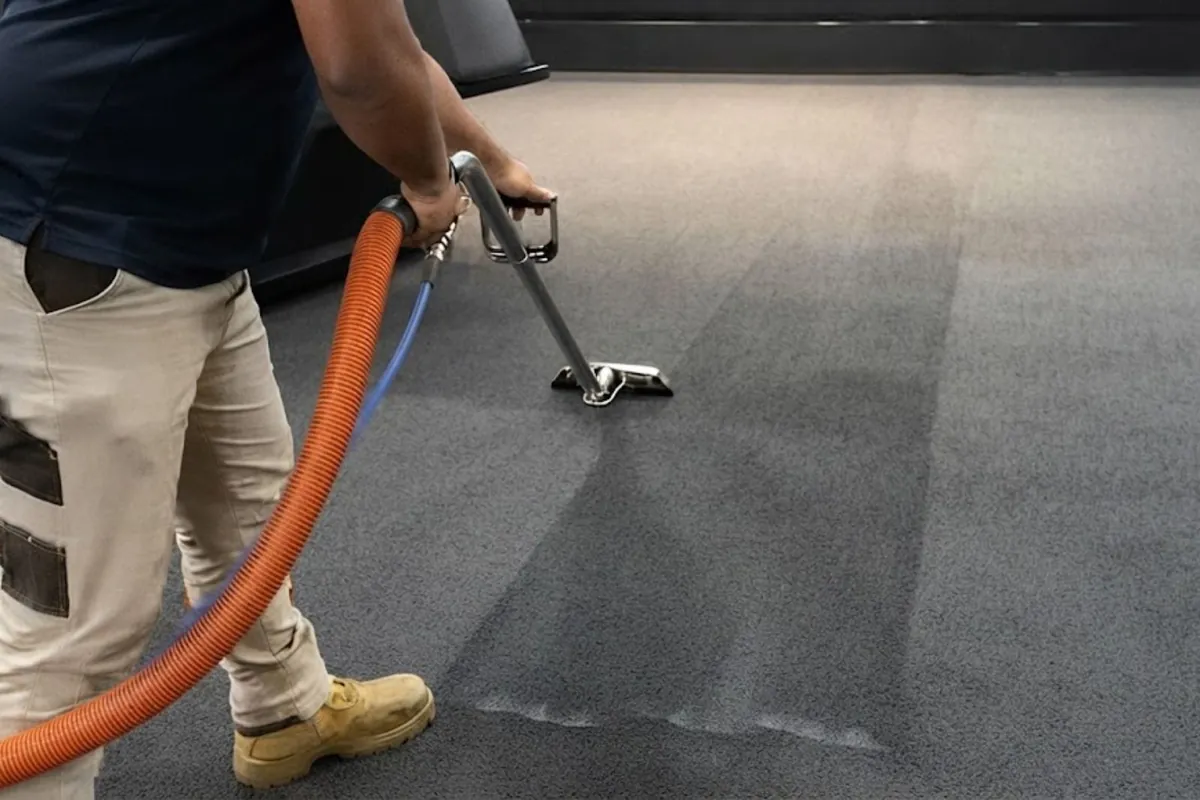
Mitigation and restoration are two stages of one job
Mitigation is about stopping loss. The crew pulls water out, lifts furniture, removes materials that cannot be dried, and sets up air movers and dehumidifiers. The goal is to keep a one-room problem from becoming a whole-house problem.
Restoration comes after. Once materials are dry, damaged drywall, flooring, trim, and cabinets are repaired or replaced. Our water damage restoration page covers that stage.
Insurers usually treat mitigation as a duty of the homeowner. Many policies expect you to take reasonable steps to prevent further damage, which is one reason fast mitigation matters for your claim.
Homes near the Boise River in Eagle sit over a high water table, which makes drying a wet crawl space there slower.
Crews measure moisture with meters and thermal cameras, and in Ada County a break on the street side should also be reported to Meridian Water or your city water department.
What happens in the first 72 hours
Every job is different, but mitigation usually follows this sequence.
| Timeframe | What the crew does | Why it matters |
|---|---|---|
| First hours | Inspect, map moisture, extract standing water | Removes the bulk of the water before it wicks further. |
| Day one | Move contents, remove soaked pad or unsalvageable materials, set equipment | Protects belongings and opens wet cavities to air. |
| Days two and three | Check moisture readings daily and adjust equipment | Confirms drying is on track and catches hidden pockets. |
| When dry | Remove equipment and document final readings | Clears the way for repairs and supports the insurance claim. |
A typical sequence. Timing depends on the size of the loss.
The EPA recommends drying wet materials within 24 to 48 hours to prevent mold growth, which is why extraction and equipment setup come first.
Crawl spaces need special attention in Meridian
Much of Meridian's housing sits over crawl spaces, and that is where freeze bursts often happen. Water in a crawl space can soak insulation, pool on the vapor barrier, and raise humidity in the whole house.
Mitigation there usually means pumping out standing water, pulling wet insulation, and running dehumidification until the space dries. Left alone, a wet crawl space can lead to musty odors and mold on floor joists.
The pipe that caused it still needs a plumber. The burst pipe repair page covers that side of the job.
What you can safely do before the crew arrives
A few steps help. Others can make things worse.
- Shut off the water source and turn off power to wet rooms.
- Photograph everything before moving it.
- Lift furniture legs onto foil or wood blocks to protect carpet.
- Open windows if the weather is dry and mild.
- Do not run a household vacuum on wet carpet.
- Avoid contact with water from a sewer backup or toilet overflow.
The equipment you will see in your home
Air movers are low fans aimed across wet floors and walls. Dehumidifiers pull the moisture that the air movers lift out of materials. In larger losses, crews may cut small holes near the base of walls so air can reach wet cavities.
The equipment is loud and runs day and night. Turning it off to sleep or save power slows drying and can leave moisture behind, so ask the crew before switching anything off.
What affects the cost of water mitigation
Mitigation is billed by the work and equipment the loss requires.
- The amount of standing water and the area affected.
- The water category, clean, gray, or sewage.
- Materials that must be removed rather than dried.
- How many air movers and dehumidifiers run, and for how many days.
- Crawl space or ceiling cavities that need extra work.
Call (833) 521-1033 for an assessment and a clear explanation of costs before work begins.
Need water extraction in Meridian?
Call the dedicated 24/7 line for fast mitigation.
Water mitigation questions
What is the difference between water mitigation and restoration?
Mitigation stops the damage from spreading by extracting water and drying the structure. Restoration repairs and rebuilds what was damaged.
How soon should mitigation start?
As soon as possible. The EPA advises drying wet materials within 24 to 48 hours to prevent mold.
Will my carpet be saved?
Often, if the water was clean and extraction starts quickly. Carpet pad is frequently replaced. Carpet soaked by sewage is usually removed.
Does insurance pay for mitigation?
When the loss itself is covered, mitigation is usually covered too. Many policies expect homeowners to take prompt steps to limit damage.
Do you fix the pipe too?
The pipe repair is handled by a plumber. Mitigation deals with the water and the structure it reached.
Why is there a separate phone number?
Water mitigation and restoration are a separate service from plumbing repair, with their own dedicated 24/7 line.